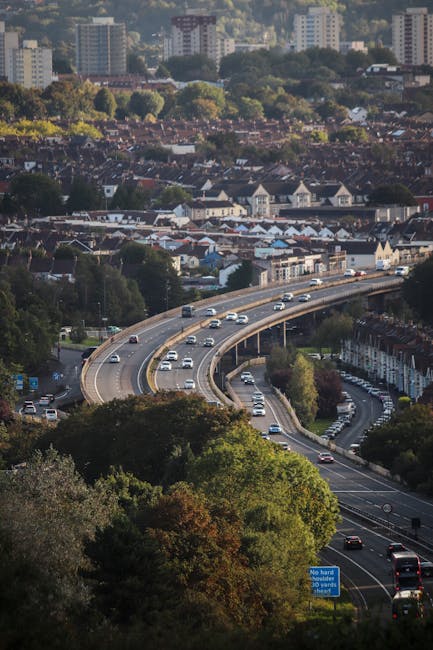
Kingston Vale to Richmond removals route advice
If you are planning a move from Kingston Vale to Richmond, the route matters more than most people expect. A short journey can still become a headache if you hit school traffic, narrow residential roads, parking problems, or the wrong vehicle choice at the wrong time. Good Kingston Vale to Richmond removals route advice helps you avoid those avoidable delays and makes the whole day feel calmer.
In practice, this is about more than just "which road is quickest". It is about timing, access, loading space, local traffic patterns, and how your removals team will actually get from one front door to the other without wasting hours. That may sound a bit dry, but on moving day the small details are everything. A few smart decisions can save you stress, money, and that awkward moment when a van cannot turn into the street.
Below, you will find a clear guide to the route itself, the local factors that can affect it, and how to plan a move that feels properly under control. If you want a wider view of services while you plan, you can also look at the company's removals and man and van options as you compare what suits your move.
Table of Contents
- Why Kingston Vale to Richmond removals route advice Matters
- How Kingston Vale to Richmond removals route advice Works
- Key Benefits and Practical Advantages
- Who This Is For and When It Makes Sense
- Step-by-Step Guidance
- Expert Tips for Better Results
- Common Mistakes to Avoid
- Tools, Resources and Recommendations
- Law, Compliance, Standards, or Best Practice
- Options, Methods, or Comparison Table
- Case Study or Real-World Example
- Practical Checklist
- Conclusion
- Frequently Asked Questions
Why Kingston Vale to Richmond removals route advice Matters
The move from Kingston Vale to Richmond is short enough to tempt people into under-planning. That is understandable. It is not a cross-country relocation, so the natural instinct is to think, "We will just drive over." But local moves are often more sensitive to timing than longer ones, because every minute lost to congestion, parking, or access issues has a bigger impact on the whole schedule.
Richmond has busy approaches, riverside traffic at certain times, and local streets that can be less forgiving than they first appear. Kingston Vale, meanwhile, sits close to routes that can bottleneck at peak times, especially when school runs, commuter traffic, or weekend leisure travel overlaps. In the real world, this means that a move that looks simple on a map can become stop-start and unpredictable if you do not plan the route properly.
There is also a human side to it. Moving day is already full of decisions, and by the time you are carrying boxes, checking keys, and keeping an eye on pets or children, the last thing you want is a van circling the block because someone guessed the access would be easy. Route advice helps reduce that chaos. Simple as that.
Expert takeaway: for short local removals, route planning is not just about speed; it is about access, timing, parking, and reducing friction at both addresses.
How Kingston Vale to Richmond removals route advice Works
Good route advice starts before the van is even loaded. First, you identify the likely road options between the two postcodes and then test those options against the realities of moving day. That includes vehicle size, departure time, any low-speed streets, likely congestion points, and where the van can safely stop for loading and unloading.
A useful approach is to think in layers:
- Main travel route: the road or roads most likely to give the smoothest journey for your specific vehicle.
- Access route: the final approach to each property, including width restrictions, turning space, and parking availability.
- Fallback route: a sensible alternative in case the preferred route is blocked by works, incidents, or traffic build-up.
On a move like this, you are not just moving furniture; you are moving through a living part of South West London where road conditions can change quickly. That is why professional movers often check more than one route and build in a buffer. Not dramatic, just sensible.
If you are also deciding what kind of move support you need, it can help to compare broader service types such as home moves, house removals, or smaller-scale help like removal van transport.
Key Benefits and Practical Advantages
Route advice is not just a nice extra. It changes how the day feels and how efficiently the job runs. A well-planned route can reduce waiting time, protect items from unnecessary handling, and make the team less rushed. That matters more than people think, especially if you have awkward furniture or tight stairwells at either end.
- Less delay: avoiding known bottlenecks helps keep loading and unloading on schedule.
- Better vehicle choice: the right route may determine whether a standard van is enough or whether a larger moving truck makes more sense.
- Smoother parking: a route plan usually goes hand in hand with thinking about where the vehicle can stop legally and safely.
- Lower stress: fewer surprises mean fewer last-minute decisions, which is always a win on moving day.
- Fewer handling risks: if the van can park close to the entrance, there is less carrying distance and less chance of bumps and scrapes.
There is also a cost angle. Time lost in traffic or repeated loading because access is poor can increase labour time. Nobody likes saying that, but it is true. A good route plan helps keep the move lean and more predictable.
Who This Is For and When It Makes Sense
This advice is useful for almost anyone moving between Kingston Vale and Richmond, but it is especially valuable for people with time-sensitive moves or difficult access. If you are moving from a house with a driveway into a Richmond flat with tighter street access, route planning becomes essential rather than optional.
It is a particularly good fit for:
- families moving home with school schedules to juggle
- flat movers dealing with stair access or limited parking
- older properties where street space is tight
- people moving larger furniture, fragile items, or heavy boxes
- students and renters needing a quick, affordable, low-drama move
- small offices relocating items between the two areas
If you are only moving a few items, route planning still helps, just in a lighter way. A short job can still turn awkward if loading space is poor or the driver has to park far from the door. One small delay, and suddenly everyone is standing around with a box of books while the clock ticks on. Not ideal.
Step-by-Step Guidance
Here is a practical way to handle a Kingston Vale to Richmond move without overcomplicating it.
- Check both addresses carefully. Note postcodes, flat numbers, floor levels, entrance type, and whether there is a driveway or controlled parking.
- Assess vehicle size early. A small van may be easier on narrow streets, while a larger van or truck may reduce the number of trips. The right answer depends on load size and access, not guesswork.
- Look at likely traffic windows. Early morning can be calmer for some moves, while late morning may work better if school-run traffic is an issue. The best slot depends on the day, the area, and how quickly you need the truck in and out.
- Plan the loading order. Put the items you need first near the rear or in the most accessible section of the vehicle. This saves time at the Richmond end when everyone is tired and ready for the kettle.
- Prepare parking information. If either property has awkward access, tell the removals team in advance. A good mover can then adjust the route, vehicle position, or crew setup.
- Build in a buffer. Even a local move can face small delays. A little breathing room often turns a stressful morning into a manageable one.
- Confirm unloading access. If the Richmond property is on a busy road or a narrow side street, think through where the van will stop and how far items will need to be carried.
That is the core of it. Clear information, sensible timing, and a route that fits the job rather than forcing the job to fit the route.
Expert Tips for Better Results
From a practical removals point of view, the best route advice is often the advice that prevents a small problem before it starts. A few little habits make a surprisingly big difference.
- Use a route check the day before. Roadworks and temporary restrictions can appear quickly. A check the evening before is often more useful than relying on yesterday's plan.
- Keep the first load accessible. If you know you will need essentials quickly at the new place, do not bury them under six boxes and a lamp.
- Ask about vehicle access, not just destination postcodes. Two houses can be ten minutes apart yet feel worlds apart when it comes to parking.
- Tell the team about stairs, lifts, or long walks from the curb. This affects both timing and the type of van used.
- Choose quieter loading times when possible. A calm street is easier to work in than one where traffic is constantly squeezing past.
Here is one thing people often overlook: if you are moving on a damp day, wet pavements and mud at the kerb can make loading slower and a bit clumsier. Nothing dramatic, just enough to matter. You feel it in your hands, in the pace of the day, in that slightly annoying way the boxes never stay perfectly dry. So yes, weather counts too.
If your move involves breakables or specialist items, services like packing and unpacking services can also help reduce the pressure at both ends.
Common Mistakes to Avoid
A lot of moving problems come from assumptions. Fair enough, people are busy. But the same avoidable issues crop up again and again.
- Assuming the shortest route is the best route. Sometimes the "quickest" road is the one most likely to jam.
- Not checking parking constraints. A good route is useless if the van cannot legally stop near the property.
- Ignoring vehicle size. A larger van may carry more, but it can be awkward in tight streets.
- Forgetting about access at the arrival point. The move is not finished when you reach Richmond. You still need space to unload.
- Leaving route planning until the morning of the move. That is when small mistakes become expensive in time and energy.
- Not telling the removals team about fragile or bulky items. Heavy furniture, pianos, or awkward items can change how the route and load are planned.
To be fair, nobody gets every move perfect. But if you can avoid the obvious pitfalls, the day gets a lot easier. And moving day is already enough of a production.
Tools, Resources and Recommendations
You do not need a warehouse of specialist tools to plan this well, but a few simple resources help. A phone map app is useful for checking live traffic patterns, though it should not be your only guide. Local knowledge, street awareness, and a proper understanding of the property access matter just as much.
For the move itself, a few practical items can make the route easier to manage:
- sturdy packing boxes and tape so items stay stable during transport
- labels for room-based sorting, which saves time when unloading
- blankets or wrap for protecting furniture edges
- a notebook or phone notes with access instructions for both addresses
- a clear inventory of large or awkward items
For service comparison and planning, you may also want to review packing and boxes, flat removals, or house removalists if you are deciding what level of support fits your situation.
If storage is part of the picture, for example because completion dates do not line up neatly, then a solution like storage may be worth considering. Not glamorous, but sometimes very handy.
Law, Compliance, Standards, or Best Practice
For a local removals move, the main compliance issues are usually practical rather than legal in the dramatic sense. You are mostly dealing with safe driving, parking rules, access permission, insurance, and sensible handling of goods. Good movers will treat those as non-negotiable.
Best practice usually includes:
- respecting parking restrictions: do not block access, driveways, or emergency routes
- safe loading: items should be secured properly so they do not shift in transit
- careful lifting: heavy or awkward items need proper handling to reduce injury risk
- clear communication: the driver and crew should know the access plan before arrival
- insurance awareness: you should understand what is covered and what is not before move day
If you want reassurance on that side, it is worth reading the company's insurance and safety information, along with the health and safety policy. Those pages help set expectations clearly, which is always a good sign.
There are also basic consumer expectations around fair pricing, clear terms, and honest service descriptions. The sensible approach is simple: ask what is included, confirm the schedule, and make sure any special access concerns are noted in advance. Nothing fancy. Just tidy, professional practice.
Options, Methods, or Comparison Table
If you are deciding how to handle the move, it helps to compare the most common approaches. There is no single right answer for everyone, but there is usually a better fit for your property, budget, and timeframe.
| Option | Best for | Strengths | Trade-offs |
|---|---|---|---|
| Small van or man with a van | Light moves, flats, a few rooms, short notice jobs | Flexible, often easier on narrow roads, good for local access | May need multiple trips for larger loads |
| Standard removal van | Typical household contents | Balanced capacity and manoeuvrability | Still needs parking and loading space |
| Larger moving truck | Full house moves or bulky furniture | More capacity, fewer trips | Can be harder to position in tighter streets |
| Full-service removals team | Busy families, larger homes, complex access | More support, less stress, better coordination | Usually more expensive than self-managed options |
In many Kingston Vale to Richmond moves, the best answer sits somewhere in the middle: enough vehicle capacity to avoid endless back-and-forth, but not so much that access becomes a headache. That balance is the sweet spot. Not always easy to judge, which is why experienced movers are useful.
Case Study or Real-World Example
Consider a typical local move: a two-bedroom home in Kingston Vale, with a few large items, a narrow front approach, and a Richmond property with on-street parking and a slightly awkward unloading point. Nothing outrageous. Just enough complexity to reward planning.
In a situation like that, a mover might choose a medium-sized vehicle rather than a large truck. Why? Because the extra manoeuvrability can matter more than extra space if the Richmond street is tighter than expected. The team might also aim for a quieter departure time so they are not dealing with peak traffic and curbside competition at the same time.
The practical result is usually straightforward. Loading is quicker because the van can sit closer to the door. Unloading is calmer because the team knows in advance where items should go. The whole move feels more organised, even if nobody says that out loud. And at the end of the day, that is what most people actually want: a move that simply works.
A small extra point. In one real-world style scenario, a resident forgot to mention a heavy sideboard that needed an extra pair of hands. It was not a disaster, but it did slow things down. A five-second note in advance would have fixed it. Little things like that. They matter.
Practical Checklist
Use this checklist the day before and again on the morning of the move.
- Confirm both full addresses and postcodes
- Check parking at Kingston Vale and Richmond
- Note any loading restrictions, permits, or access limits
- Tell the mover about stairs, lifts, or long carries
- Confirm the vehicle type is suitable for the route
- Pack essentials separately for quick access
- Label boxes by room and priority
- Protect furniture corners and fragile items
- Check the route for roadworks or disruption
- Keep keys, phones, and documents close at hand
- Give the team a contact number that will be switched on
- Make sure pets and children are safely managed during loading
If you can tick most of those off, you are already ahead of the game. Honestly, that is half the battle.
Conclusion
Kingston Vale to Richmond removals route advice is really about making a short move behave like a well-run one. The route itself matters, yes, but so do parking, timing, vehicle choice, access, and a calm plan for loading and unloading. When those pieces fit together, the move feels lighter and far less chaotic.
The good news is that you do not need to be an expert to get this right. A few practical checks, clear communication, and the right removals support can make a big difference. That is especially true in local London moves, where a small delay or a poor parking decision can ripple through the whole day. Keep it simple. Keep it realistic. That usually wins.
If you are ready to plan your move properly, take a moment to compare services, check access details, and speak to a team that understands the local area. The calmer your plan, the smoother the day tends to be.
Get a free quote today and see how much you can save.
And if nothing else, give yourself one small win before moving day: know the route, trust the plan, and let the rest unfold one box at a time.
Frequently Asked Questions
What is the best route from Kingston Vale to Richmond for removals?
The best route depends on the exact addresses, vehicle size, and time of day. In general, the right route is the one that balances traffic flow with easy access at both properties, not just the shortest distance on a map.
Should I book a small van or a larger removals truck?
It depends on how much you are moving and how easy the streets are to access. A larger truck can reduce trips, but a smaller vehicle may be far easier in tighter residential roads or where parking is limited.
Do I need to plan parking for both properties?
Yes, definitely. Parking is one of the most common causes of delay in local removals. If the van cannot stop close to the property, loading and unloading take longer and the whole move becomes harder work.
How early should I check the route?
Ideally, check the route the day before and again on the morning of the move if possible. That gives you a chance to spot traffic issues, roadworks, or any changes around the departure and arrival points.
Is Kingston Vale to Richmond a difficult moving route?
It is not difficult in the long-distance sense, but it can be tricky if access is poor or the timing is off. Local routes often look simple until you factor in congestion, parking, and the size of the vehicle.
What if my new Richmond property has narrow street access?
Tell the removals team in advance. Narrow access may affect vehicle choice, unloading position, and crew planning. It is much better to discuss it early than to discover it when the van arrives.
Can route advice help reduce moving costs?
Usually, yes. Better route planning can reduce wasted time, repeated trips, and delays caused by poor access. That does not guarantee a lower price, but it can help keep the move efficient and more predictable.
What should I pack separately for a local move?
Keep essentials apart, such as documents, chargers, toiletries, medication, snacks, and a change of clothes. For a local move, it is still worth having the things you need first easy to reach when you arrive.
Do movers handle fragile or bulky items differently on this route?
They should. Items like large mirrors, heavy sideboards, pianos, or awkward furniture may require extra handling, different loading order, or a more suitable vehicle. Mention them early so the plan can be adjusted properly.
Is it worth using packing services for a short move?
Yes, if time is tight or your belongings need careful handling. Even a short move can be stressful, and professional packing can reduce the chance of damage and speed up the loading process.
What if traffic is worse than expected on moving day?
A small buffer in the schedule helps a lot. Good movers will usually build in some flexibility and may adjust the departure time if needed. If you are moving locally, a short delay is annoying but manageable if the rest of the plan is solid.
How do I know if I need storage during a Kingston Vale to Richmond move?
If your move dates do not line up neatly, or if you are downsizing and cannot take everything at once, storage may be useful. It is a practical bridge rather than a last resort, and it can remove a lot of pressure from the schedule.